Coin Anatomy
Understanding the key parts, terms, and features of a coin.
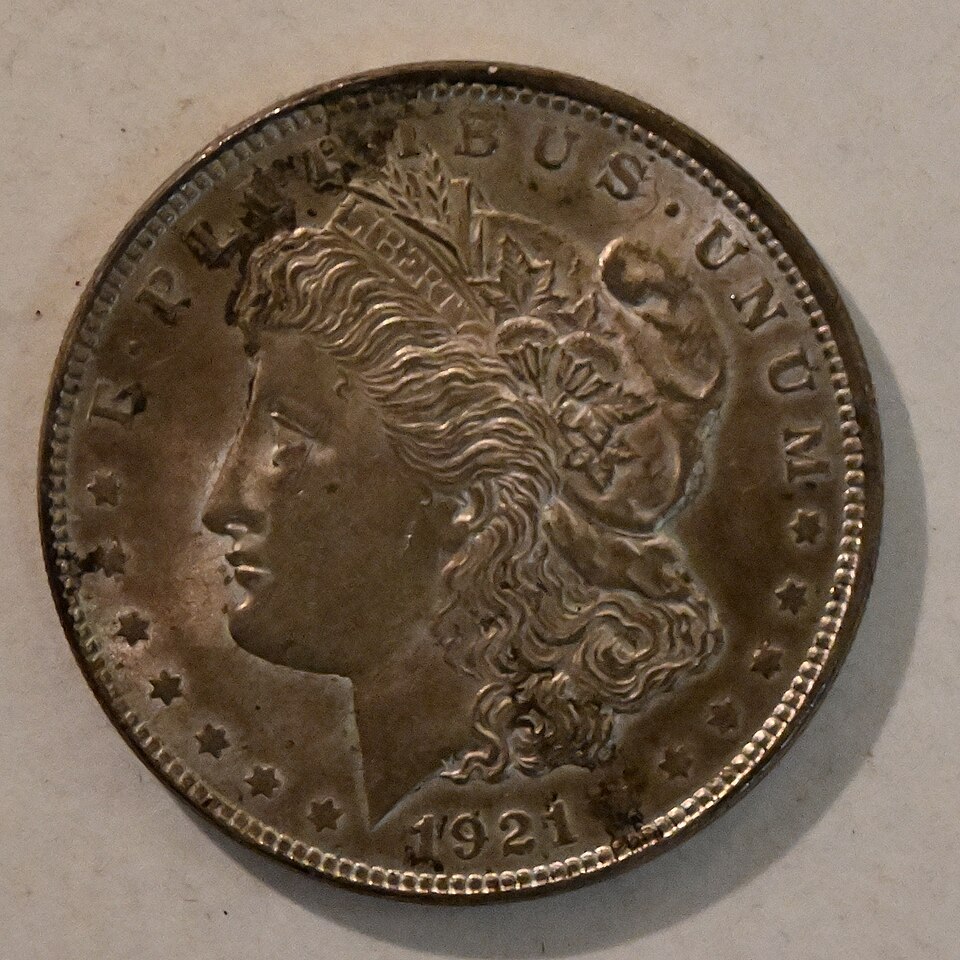
1. Obverse
The 'Obverse'. Sometimes known as the Heads side of a coin, typically shows a person of power, or great importance. Its the front face of the coin. The Obverse typcially houses the date and mintmark, but coins can differ and this is not a one size fits all rule.
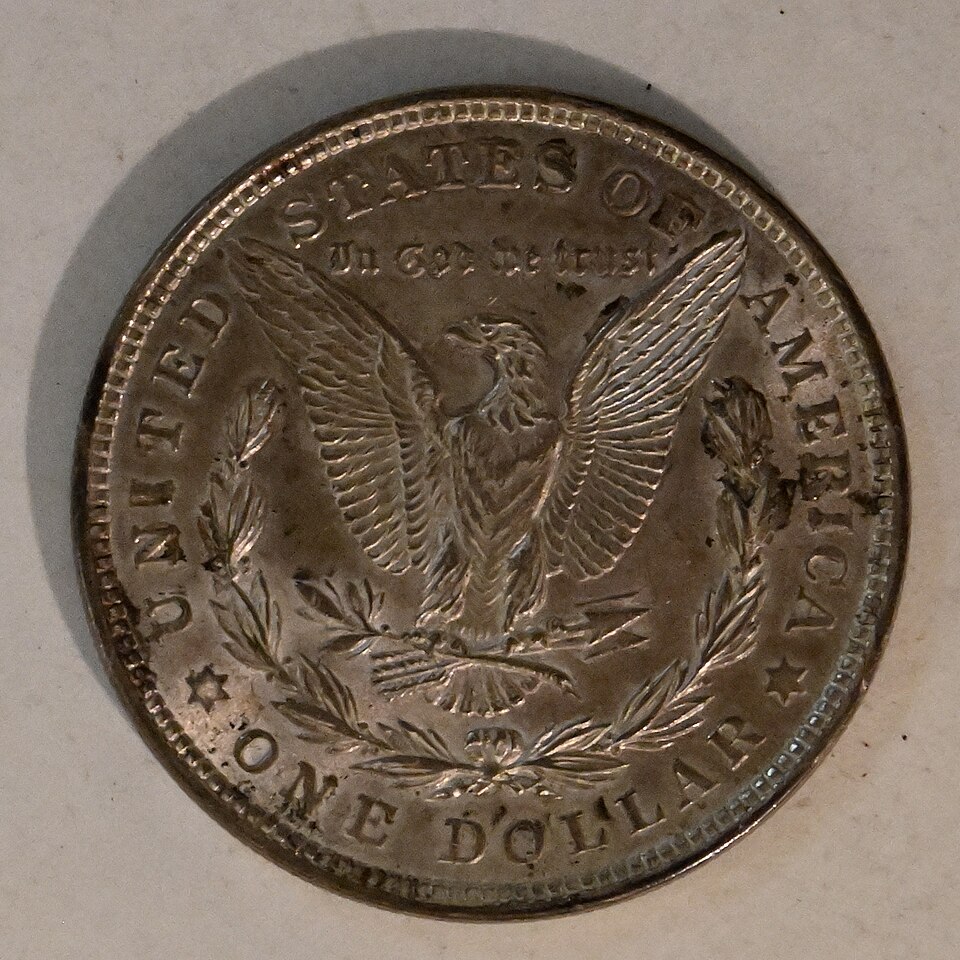
2. Reverse
The 'Reverse'. Sometimes known as the Tails side of a coin, differs greatly,soemtimes being an important monument, person of interest, or animal. Its the back face of the coin. The Reverse typcially houses text along side the image of importance, but sometimes may be home to the mintmark and date, depending on the coin.
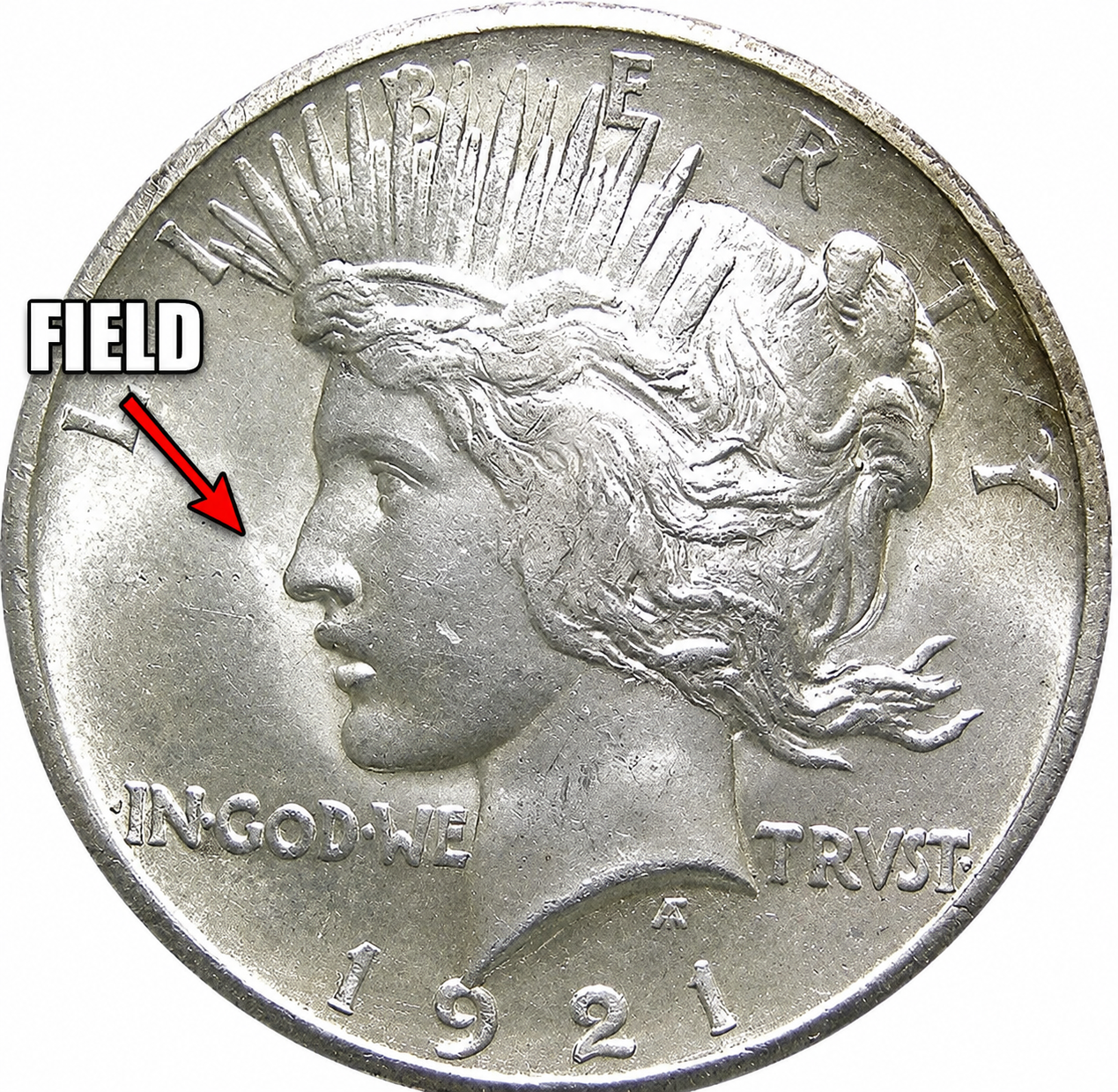
3. Fields
The Field of the coin is the flat, plain background of the coin in which the raised design rests on. The Background of the Coin is an easy way to remember what the field is.
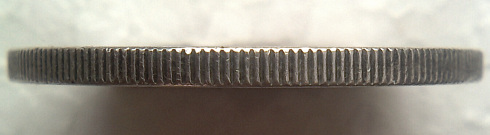
4. Edge
The edge of the coin is the outside part of the coin in which a coin typcially, but no always, has ridges. Other forms of edge designs include. Lettering, Reeded, and Smooth. Silver coins usually have a plain silver edge, while modern day coins have a split of the combined materials. This knowledge helps you easily identify a silver coin from a non silver coin.
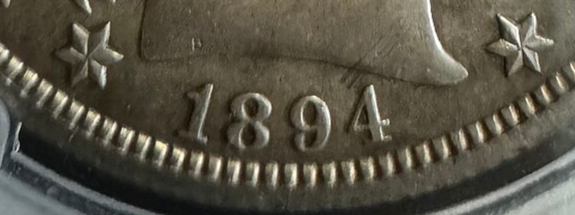
5. Date
The Date of the coin is the year the coin was minted, typcially, the date is on the Obverse of the coin, in the US atleast, however, there is no rule to where the date can be, and other countries, or even some U.S Coins, move the date to the reverse.
6. Mintmark
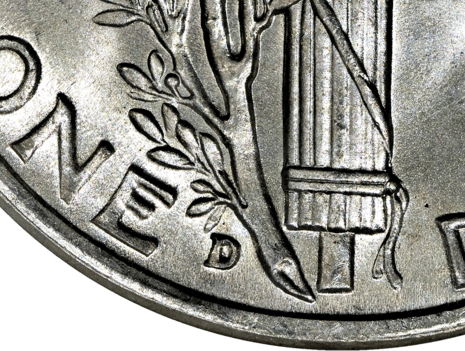
The Mint Mark is the single letter, or pairing of letters, that signify where the coin was minted. In the United States you will see mint marks such as. P,D,S,CC,O, and W. The same idea applies as the date, the Mint Mark is typcially on the obverse, however, for example, on this coin, a mercury dime, the mint mark can be found on the reverse. The Mint Mark pictured is D for Denver.