Spotting Fakes
Understanding how to catch counterfeit coins before purchasing.
1. Weight and Dimensions
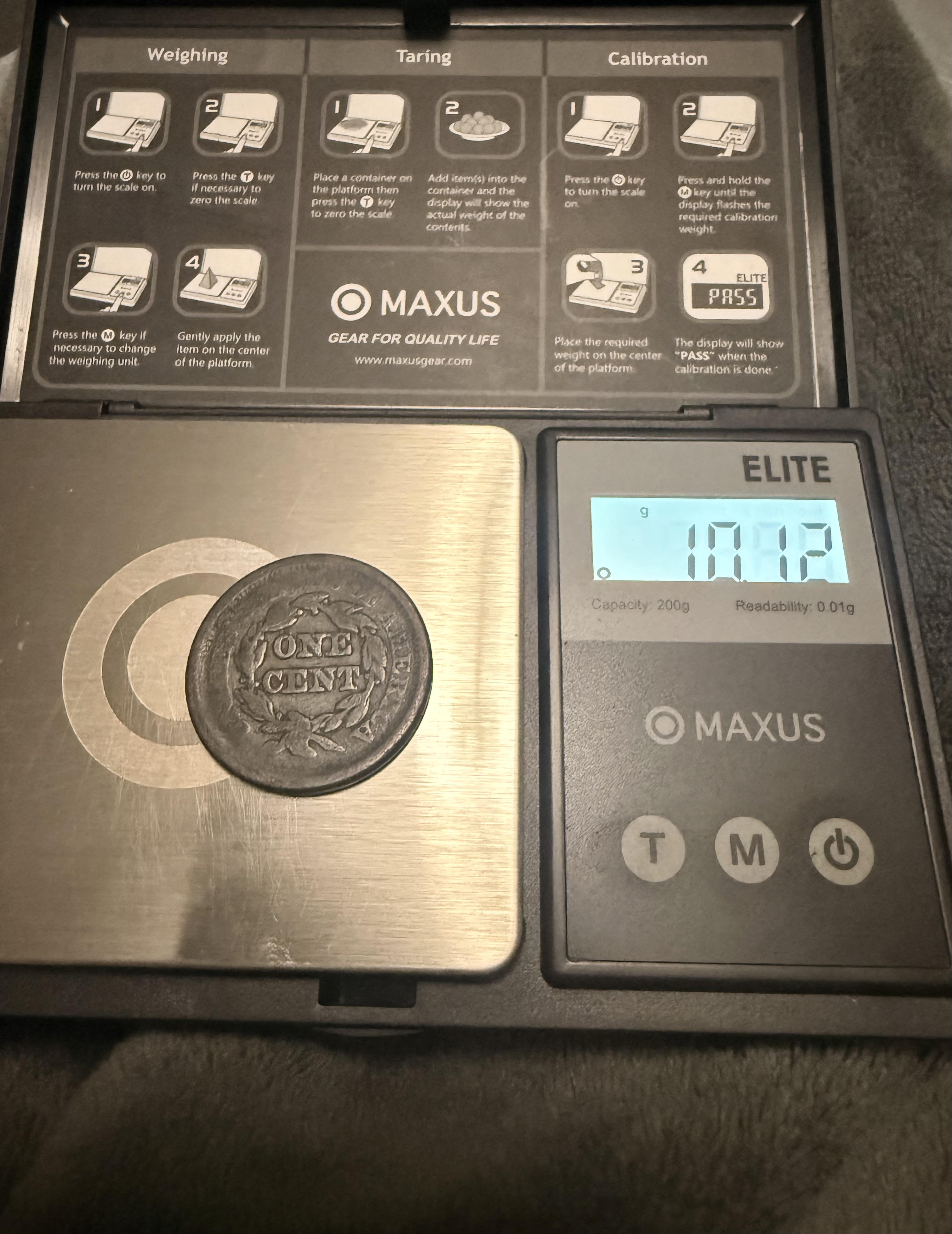
It is worth investing in a gram scale, nothing fancy, but something that can measure in oz and grams. Checking a coin's physical weight and diameter can help authenticity. Make sure to google your coins weight and diameter, and remember, a worn coin, like the one pictured, maybe way a little less, that is normal.
2. Magnetic Test
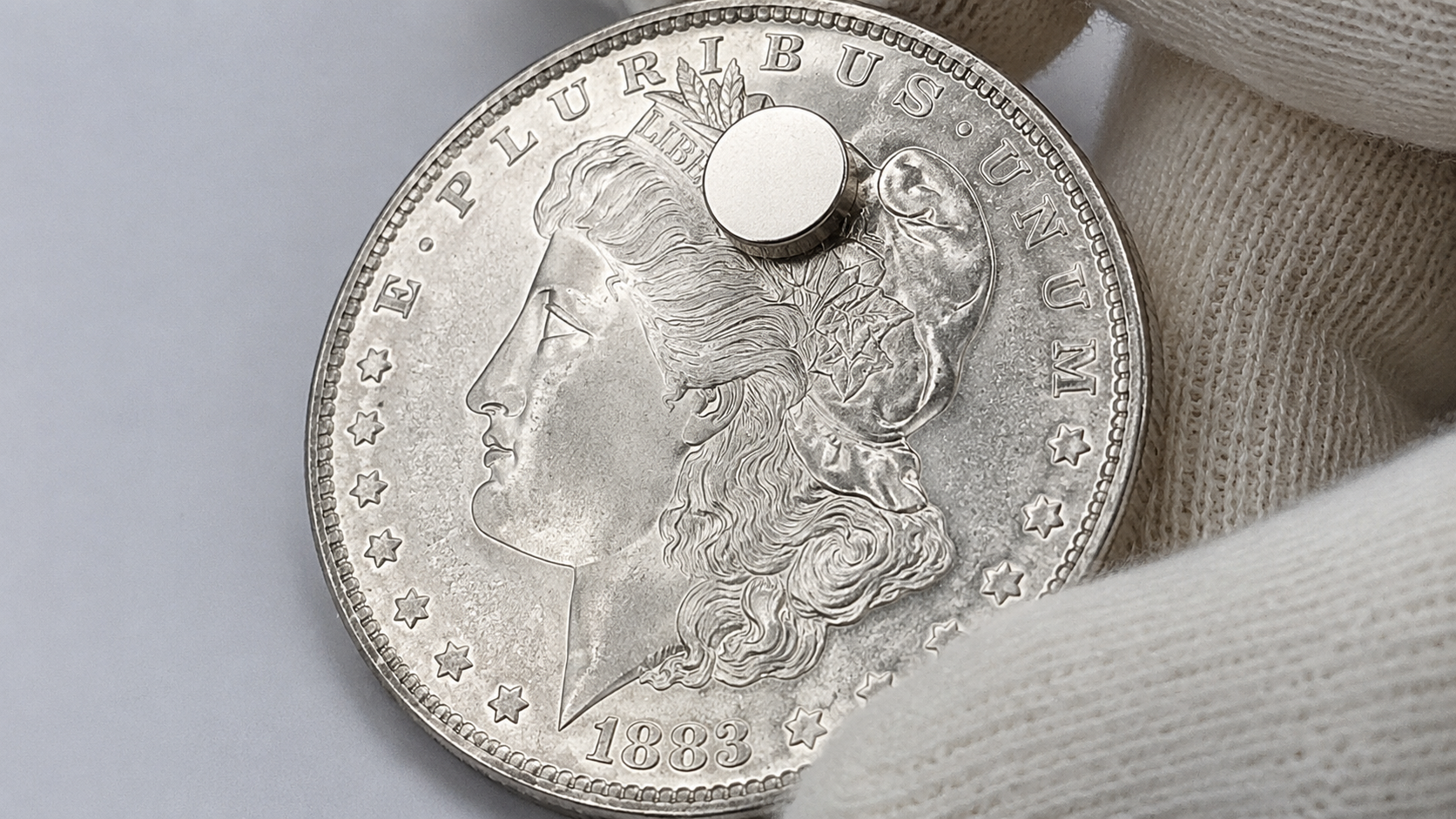
The magnet test is one of the easiest tests to try when dealing with silver and gold. If you get a strong earth magnet (fridge magnets will rearely and hardly work) you can put it up to your coin that is supposed to be gold or silver. Gold and Silver is non magnetic, therefore, if the magnet sticks to your coin, odds are its fake.
3. Surface, Textures, and Details
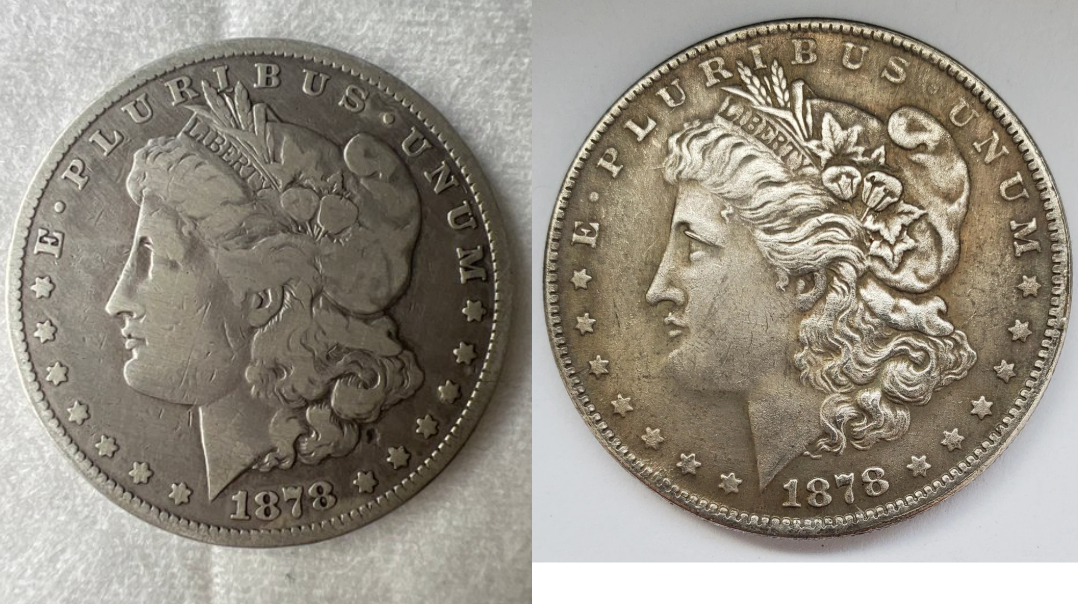
It is important to be able to recognize what a fake versus a real coin looks like, sometimes its a lot more obvious than others. This Morgan Dollar comparison will teach some things to look out for. The Dollar on the right is a fake. Some things you may notice is Liberty's chin and nose are more pronounced in the real version (left). The fake date is not as bold. The word Liberty is too bold and too large, and the stars and font just looks wrong.